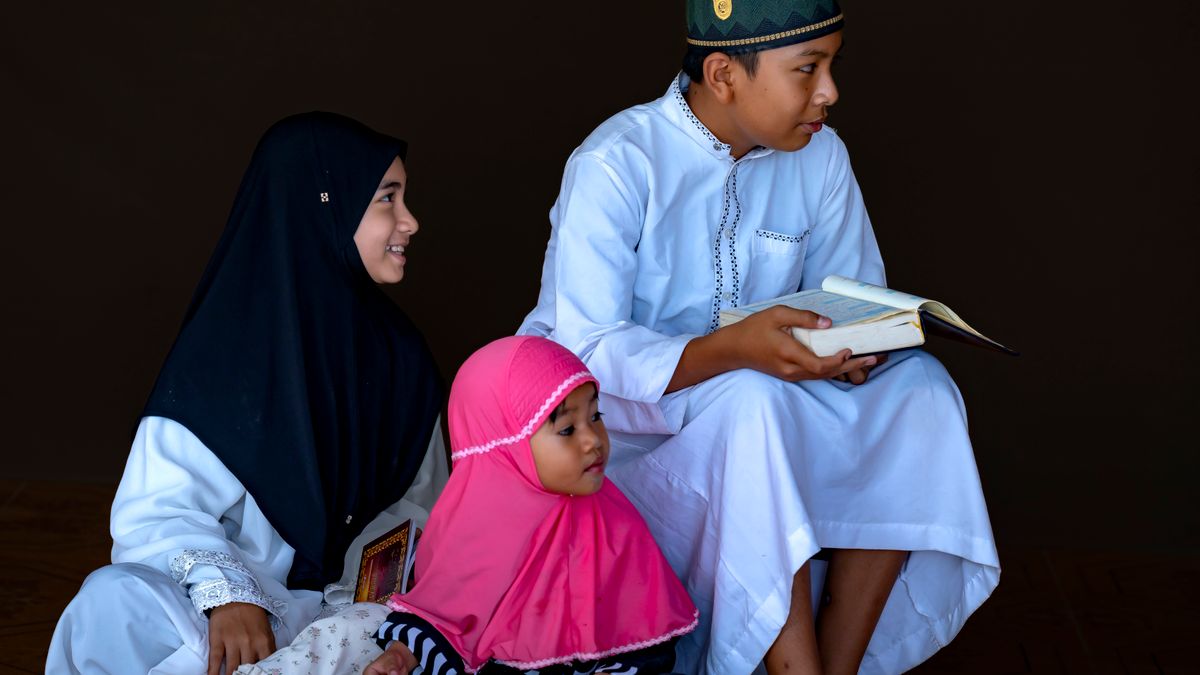
Every Muslim parent wants their child to read the Quran confidently. The good news is that you don't need to be a scholar to help. With a steady routine, the right teacher and a little encouragement, children make steady progress. Here are ten practical tips.
1. Start early, but keep it light
Children as young as four can begin with the Arabic letters. Keep early sessions short and playful; the goal is to build love for the Quran, not pressure.
2. Fix a daily time
Children thrive on routine. Pick the same time every day, for example right after Asr or before dinner, so Quran time becomes as normal as brushing teeth.
3. Use a structured syllabus
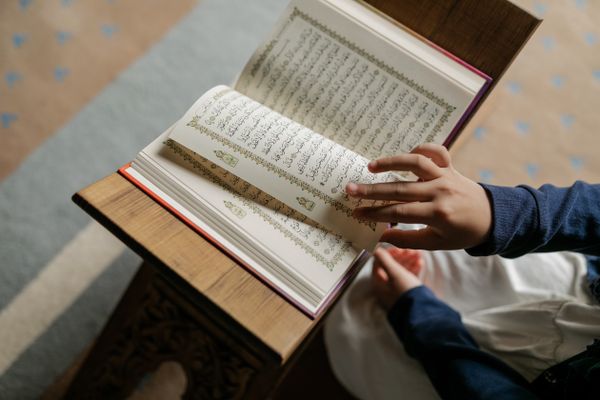
Random lessons lead to gaps. Start with Noorani Qaida, then move to reading the Quran with Tajweed. A structured path shows clear progress.
4. Get a qualified teacher
Correct pronunciation is learned by listening and being corrected. A qualified tutor hears mistakes that parents may miss. Online 1-on-1 classes make this easy even if there is no teacher nearby.
5. Revise for 10 minutes between lessons
Short daily revision is more effective than a long session once a week. Sit with your child and listen to the page they practised in class.
6. Be a role model
When children see their parents reading the Quran, they want to join in. Even five minutes of your own recitation each day sends a powerful message.
7. Celebrate small wins
Finished a page? Learned a new surah? Praise, stickers or a small treat go a long way. Avoid comparing your child with siblings or cousins.
8. Connect the Quran to daily life
Teach the meanings of short surahs and daily duas. When children understand what they recite, their connection grows deeper.
9. Create a distraction-free space
A quiet corner, a clean Mushaf or tablet and headphones help children focus, especially in online classes.
10. Make dua for your child
Ask Allah to make the Quran easy for your children and to make them among its people. Consistency plus sincere dua is the best formula.

Written by our team of Quran teachers in Lahore, following our editorial policy. Last updated 2026-10-20.

 Safe for Kids
 Male & Female Teachers
 Online Classes From Anywhere
 Qualified Quran Teachers
 Live 1-to-1 Classes
 WhatsApp Support
 Families in 31 Countries
 100% Islamic Curriculum