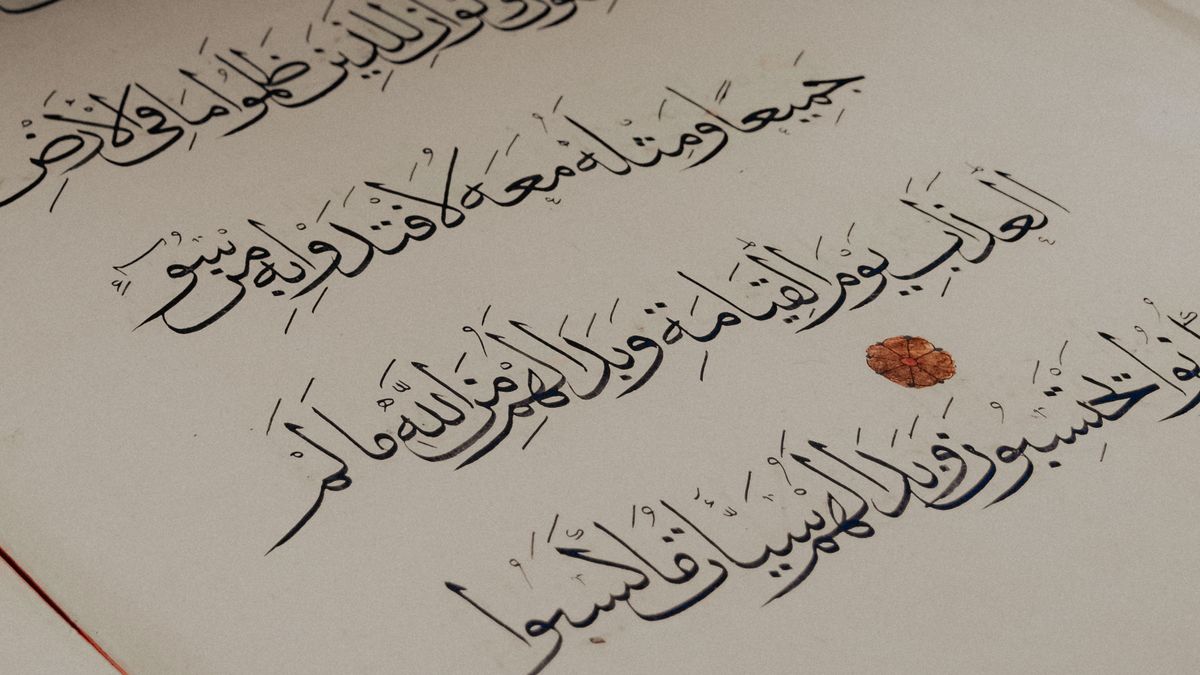
The Quran has been transmitted in several authentic modes of recitation known as Qira'at. Scholars recognise ten canonical readings, each named after an Imam and passed down through two main narrators.
The Ten Readers
| Imam | City | Main narrators |
|---|---|---|
| Nafi' | Madinah | Qalun, Warsh |
| Ibn Kathir | Makkah | Al-Bazzi, Qunbul |
| Abu 'Amr | Basrah | Ad-Duri, As-Susi |
| Ibn 'Amir | Damascus | Hisham, Ibn Dhakwan |
| 'Asim | Kufah | Shu'bah, Hafs |
| Hamzah | Kufah | Khalaf, Khallad |
| Al-Kisa'i | Kufah | Abul-Harith, Ad-Duri |
| Abu Ja'far | Madinah | Ibn Wardan, Ibn Jammaz |
| Ya'qub | Basrah | Ruways, Rawh |
| Khalaf al-'Ashir | Baghdad | Ishaq, Idris |
Why Is Hafs So Widespread?
The narration of Hafs 'an 'Asim is the most widely read today, including across South Asia, the Gulf and most of the world. Warsh 'an Nafi' is common in parts of North and West Africa.
Recite the Quran fluently and beautifully with Tajweed rules and a qualified Qari.
Learn more → Free trialAre the Qira'at Different Qurans?
No. They are authentic variations in pronunciation and, in some places, wording, all transmitted from the Prophet ﷺ through reliable chains. They do not contradict each other in meaning.
Should Beginners Study Qira'at?
Master Hafs with excellent Tajweed first. Advanced students can later study other readings with a qualified teacher. Start with our Ijazah program.

Written by our team of Quran teachers in Lahore, following our editorial policy. Last updated 2026-10-20.

 Safe for Kids
 Male & Female Teachers
 Online Classes From Anywhere
 Qualified Quran Teachers
 Live 1-to-1 Classes
 WhatsApp Support
 Families in 31 Countries
 100% Islamic Curriculum