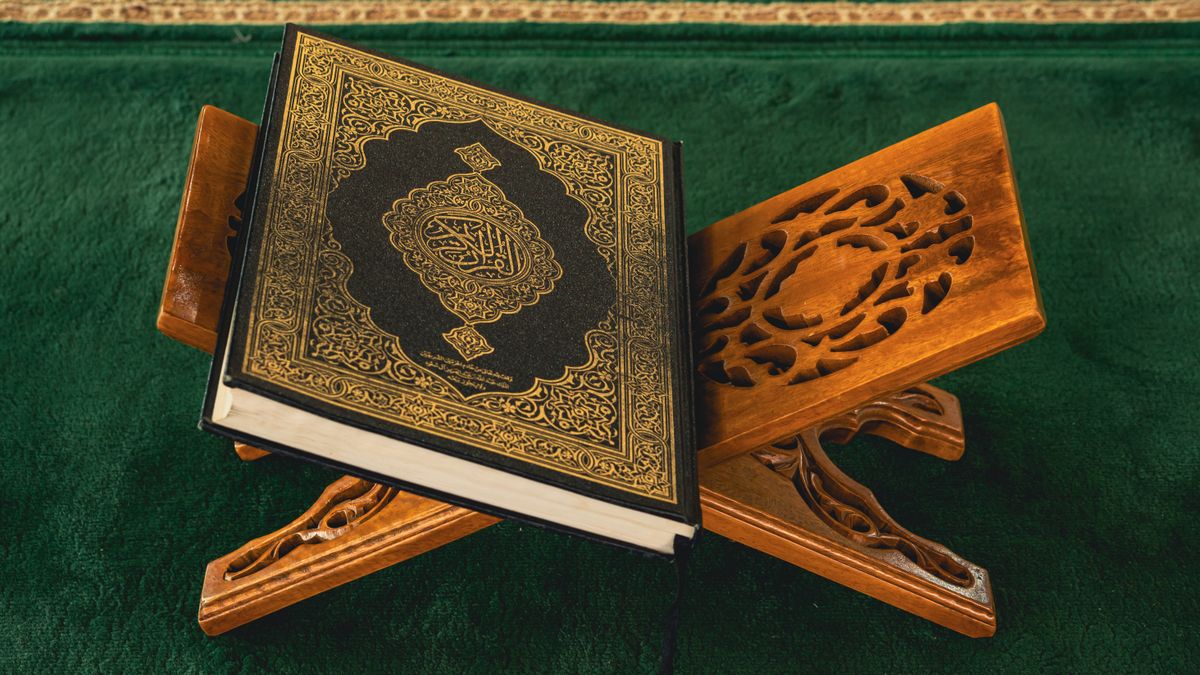
Waqf means stopping, and Ibtida means starting again. Knowing where and how to stop is part of reciting with understanding.
Why Waqf Matters
Stopping in the wrong place can cut a sentence in half and give a misleading meaning. The scholars of recitation worked carefully to mark appropriate stopping places in the Mushaf.
Common Stop Signs (Hafs Mushaf)
| Sign | Meaning | What to do |
|---|---|---|
| م | Necessary stop (Lazim) | Stop: continuing may distort meaning |
| لا | Do not stop | Continue (if you must stop, go back and restart) |
| ج | Permissible (Ja'iz) | Stop or continue equally |
| صلى | Continuing is preferred | Better to continue |
| قلى | Stopping is preferred | Better to stop |
| ∴ ∴ | Mu'anaqah (paired) | Stop at one of the two, not both |
Some Mushafs printed in South Asia use additional symbols. Ask your teacher about the Mushaf you use.
Tajweed
Recite the Quran fluently and beautifully with Tajweed rules and a qualified Qari.
Learn more → Free trialHow to Stop on a Word
- Replace the final vowel with sukoon: الرَّحِيمِ → ar-raheem.
- Tanween with fatha becomes an alif sound: عَلِيمًا → 'aleemaa.
- Ta marbutah (ة) becomes "h": رَحْمَةٌ → rahmah.
Running Out of Breath?
If you must stop in an unsuitable place, go back a word or two and restart from a point that makes sense.
Waqf and Ibtida are covered in depth in our online Tajweed course.

My Online Quran Tutor Teaching Team
Written by our team of Quran teachers in Lahore, following our editorial policy. Last updated 2026-10-20.
Written by our team of Quran teachers in Lahore, following our editorial policy. Last updated 2026-10-20.
 Safe for Kids
 Male & Female Teachers
 Online Classes From Anywhere
 Qualified Quran Teachers
 Live 1-to-1 Classes
 WhatsApp Support
 Families in 31 Countries
 100% Islamic Curriculum