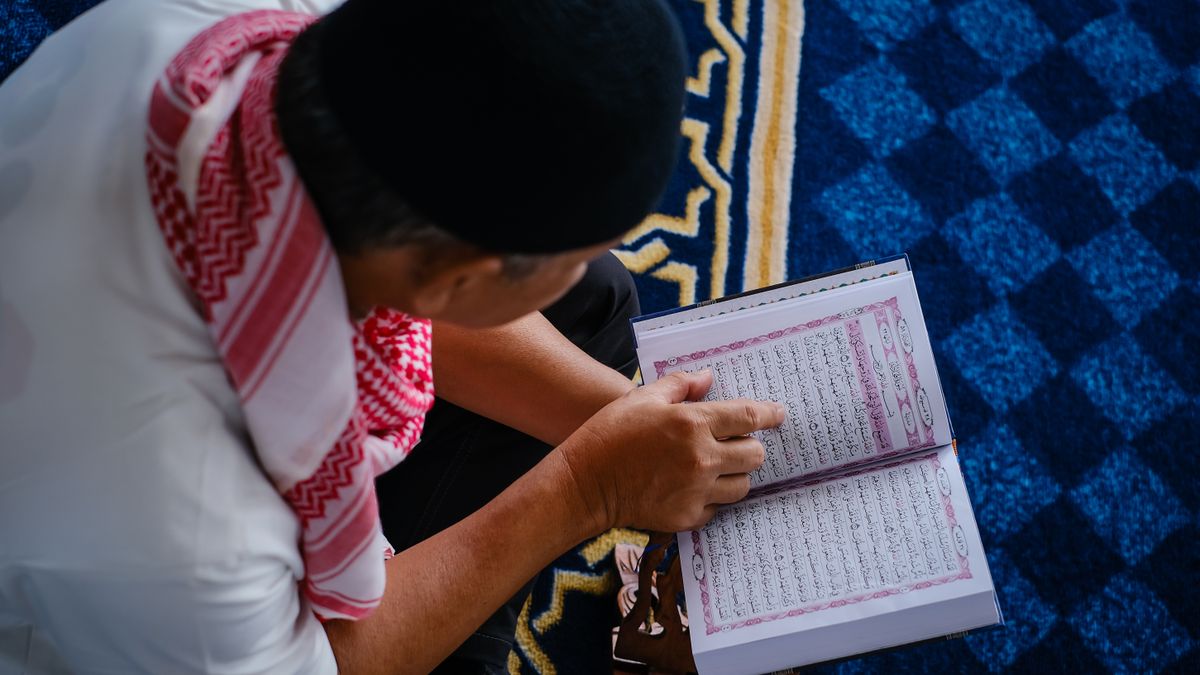
Madd means to lengthen. In Tajweed, it is the elongation of a vowel sound using the three Madd letters: alif after fatha, waw sakinah after damma, and ya sakinah after kasra.
Madd Tabee'i (Natural Madd)
The basic Madd, held for 2 counts, when a Madd letter is not followed by a hamzah or sukoon. Example: قَالَ. All other types build on this.
Chart of the Main Types
| Type | When it happens | Length (Hafs, common practice) |
|---|---|---|
| Madd Tabee'i (natural) | Madd letter alone | 2 |
| Madd Muttasil (connected) | Madd letter + hamzah in the same word, e.g. جَاءَ | 4 or 5 |
| Madd Munfasil (separated) | Madd letter at end of a word + hamzah at start of next, e.g. يَا أَيُّهَا | 4 or 5 |
| Madd Lazim (necessary) | Madd letter + permanent sukoon/shaddah, e.g. الضَّالِّينَ | 6 |
| Madd 'Arid lis-Sukoon | Stopping on a word after a Madd letter, e.g. الْعَالَمِينْ | 2, 4 or 6 |
| Madd Leen | Waw/ya sakinah after fatha, when stopping, e.g. خَوْفْ | 2, 4 or 6 |
| Madd Badal | Hamzah before a Madd letter, e.g. آمَنُوا | 2 |
Lengths can vary slightly between teachers and Qira'at. Follow your teacher's guidance and be consistent within a recitation.
Recite the Quran fluently and beautifully with Tajweed rules and a qualified Qari.
Learn more → Free trialMadd in the Muqatta'at Letters
The disjointed letters at the start of some surahs (like الٓمٓ) also have Madd rules, mostly 6 counts for letters like lam and meem.
How to Count
A "count" (harakah) is roughly the time it takes to fold or unfold a finger at a steady pace. Consistency matters more than speed.
Explore these in depth in our online Tajweed course.

Written by our team of Quran teachers in Lahore, following our editorial policy. Last updated 2026-10-20.
 Safe for Kids
 Male & Female Teachers
 Online Classes From Anywhere
 Qualified Quran Teachers
 Live 1-to-1 Classes
 WhatsApp Support
 Families in 31 Countries
 100% Islamic Curriculum